
What to Check in Your Foundation After Texas Summer Heat and Shifting Clay Soil
After a hot North Texas summer, inspect for drywall cracks, sticking doors, stair-step brick cracks, sloping floors, and soil pulling away from the slab. Know which signs need a pro and call Inspired Construction Solutions for a free estimate.
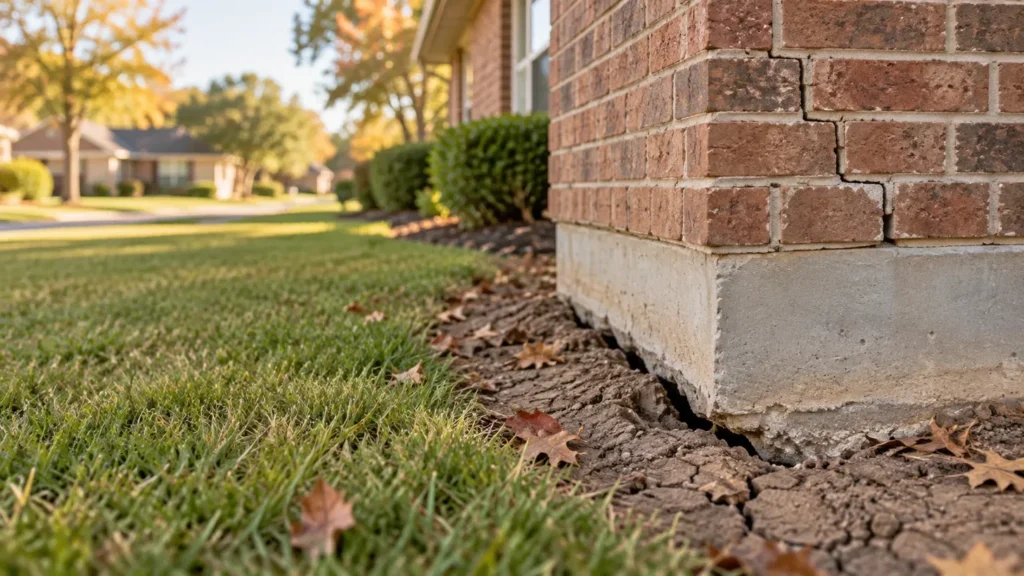
Check for new or growing cracks in drywall, doors and windows that stick, stair-step cracks in brick, gaps around frames, sloping floors, and visible soil separation at the slab edge where the ground has receded from the concrete, often leaving a narrow void that can collect water. These are the most common signs North DFW homeowners notice after a long, hot summer and the return of fall rains. If you see growing cracks, sagging floors, or wide gaps, have a professional from our team in Greenville take a look so a trained evaluator can determine whether movement is active and discuss repair options.
Why does Texas heat and clay soil cause foundation movement?
Because North Texas sits on expansive clay, the soil shrinks when it dries in summer and swells again with fall rains, and that repeated movement shifts foundation support. Soils with higher plasticity tend to change volume more dramatically and exert significant forces on slabs; for example, soils with a plasticity index greater than 20 usually have medium to high swell potential and soils over 35 often have very high swell potential, according to the NRCS National Engineering Handbook (PDF).
That same handbook maps probable volume-change to plasticity index ranges, which helps explain why some yards move more than others; PI ranges from 0 to 15 are probably low, PI 15 to 30 are probably moderate, and PI 30 or more are probably high in volume-change potential, according to the NRCS National Engineering Handbook (PDF).
The physical force is not small. Pressures from clay soils can reach roughly 0.8 to 1.0 times the weight of the overlying soil, so repeated wetting and drying cycles over months can pry at a slab or create uneven support under it, as noted by the NRCS National Engineering Handbook (PDF).
What outside signs should I look for around my foundation?
Outside signs often appear first and are the easiest to spot when soil moves away from the slab or settles unevenly. Walk around the perimeter of your home and look for these clues.
- Soil separating from the slab: A visible gap between the soil and the edge of the concrete slab is an early red flag; when the separation is wide or growing it often means the slab’s perimeter no longer has continuous support and the edge is vulnerable to movement during the next wetting cycle. Photograph the gap and note dates so a contractor can compare changes.
- Stair-step cracks in brick: Cracks that follow the mortar joints in a stair-step pattern through brick or block walls are a classic sign of foundation movement. These cracks often mean the wall is moving relative to the foundation and deserve a professional assessment.
- Horizontal cracks or separation at the foundation line: Horizontal gaps where the wall meets the foundation or where two different materials meet can indicate settlement or heave.
- Changes in exterior grade or drainage: Soil that has slumped back from the house or new low spots near the foundation can concentrate water close to the slab and worsen movement on the next wetting cycle, especially where downspouts or irrigation deliver excess water.
What inside signs should I check for in the house?
Inside clues often follow the outside signs and can affect daily comfort. Check the whole house carefully.
- New or growing drywall cracks: Look above doors and windows and at corners where walls meet ceilings; cracks that widen over weeks or months mean movement is ongoing.
- Doors and windows that stick or will not latch: When frames move even slightly the result can be doors or windows that suddenly catch, bind, or will not close properly.
- Gaps between walls and ceilings or around window frames: Small settling gaps are common, but gaps that appear suddenly or grow larger are cause for concern.
- Sloping or uneven floors: Floors that tilt, bounce, or show new separations between boards are signs that the subfloor or foundation support has shifted.
Which signs are usually minor and which mean it is time for a professional?
Minor signs are small, stable, and not getting worse; serious signs are new, widening, or affecting structure or safety. Hairline cracks in drywall that do not change for months are often cosmetic and can be monitored, while stair-step brick cracks, rapidly widening gaps, doors that suddenly will not latch, and noticeably sloping floors mean you should call a pro.
Waiting lets wet-dry cycles repeat and can change a cosmetic seam into structural damage because expansive clays can exert high lateral and uplift pressures on foundations during swelling, a force described in the NRCS National Engineering Handbook (PDF). If the movement continues, repair options become more extensive and intrusive, and costs and disruption can grow.
How careful should I be when inspecting and what should I document?
Be practical and safe when you inspect, and document what you find so a contractor can compare pictures over time. A few careful steps will help you and your inspector understand whether movement is active.
- Take clear photos of every crack from several angles and include a ruler, coin, or measuring tape in the picture for scale.
- Note where cracks start and stop and whether they cross corners, doors, or windows; mark dates on photos or in notes so you can show growth later.
- Measure door and window function; record which doors stick and whether they have always done so or began after the summer.
- Check exterior drainage and any irrigation lines that run next to the foundation, because concentrated watering can change moisture near the slab and influence shrink and swell.
What will a professional check that I cannot?
A professional will answer whether the movement is ongoing, how severe it is, and what repairs are appropriate. They can take level readings to quantify slope, test soil moisture conditions, inspect buried drains or irrigation, and recommend targeted repairs rather than guesswork.
Our team, a licensed and insured general contractor serving Greenville and other North DFW towns including McKinney, Frisco, Plano, Allen, and beyond, can evaluate the whole picture and recommend repair options that match the cause and severity. Our team will explain whether the issue is likely superficial, needs monitoring, or requires immediate intervention.
What can I do now to reduce risk while I wait for a professional?
Simple actions can reduce dramatic swings in soil moisture around your foundation and slow further movement. Keep soil near the foundation at a more even moisture level by using soaker hoses or drip lines set to deep, infrequent watering rather than frequent surface watering. Also keep gutters clean and extend downspouts so water is discharged away from the foundation.
Avoid planting large trees or shrubs right next to the slab where roots can draw moisture unevenly, and repair any leaking irrigation lines promptly. These small changes can reduce future swell and shrink cycles that stress a foundation.
When should I call a professional for a foundation inspection?
Call our office when you notice growing cracks, stair-step brick cracks, doors or windows that will not latch, or sloping floors, or if you see visible gaps between the ground and the slab. These are common post-summer signs in Greenville and North DFW that indicate a professional foundation check is the next step; documenting what you observe before the inspection helps the evaluator determine whether movement is active. We can advise whether monitoring is reasonable or if immediate stabilization is recommended.
Our crews handle foundation repair along with roofing, remodels, and outdoor living work, and we will walk you through the inspection findings and recommended repairs. To have your foundation checked, call our office to schedule an inspection or request a free estimate through our website or by contacting our team; we’ll review photos you provide before the visit when possible to make the inspection more efficient.
Frequently asked questions
What are the first signs of foundation problems after a hot Texas summer?
The first signs are often small: new or growing drywall cracks above doors and windows, doors and windows that begin to stick, small gaps around frames, or soil pulling away from the edge of the slab.
Are small hairline cracks in drywall a reason to worry?
Small hairline drywall cracks that do not change over several months are often cosmetic, but they should be monitored because they can widen if soil movement continues.
When should I call a professional for a foundation inspection?
Call a professional when you see stair-step cracks in brick, cracks that are getting wider, doors or windows that suddenly will not latch, sloping floors, or visible gaps between the soil and the slab.
Can watering near the foundation help or hurt foundation movement?
Watering can help if it keeps soil moisture even, but frequent surface watering or leaks can concentrate moisture and increase soil swelling, so use deep, infrequent watering and repair irrigation leaks.
What will an inspector from Inspired Construction Solutions do at my home?
An inspector will document cracks, take level readings, evaluate soil moisture and drainage, inspect irrigation and downspouts, and recommend appropriate repair or monitoring steps.
Sources
- Title 210, National Engineering Handbook (210-650-H, 2nd Ed., Feb 2021) (USDA NRCS). (PDF) directives.nrcs.usda.gov